Case study · Ally Invest · Mobile · 2016–2018
13 clicks to 5
The trade ticket was the most important screen in the app, and the slowest. This is the story of the eight clicks it lost — and the argument it took to lose them.
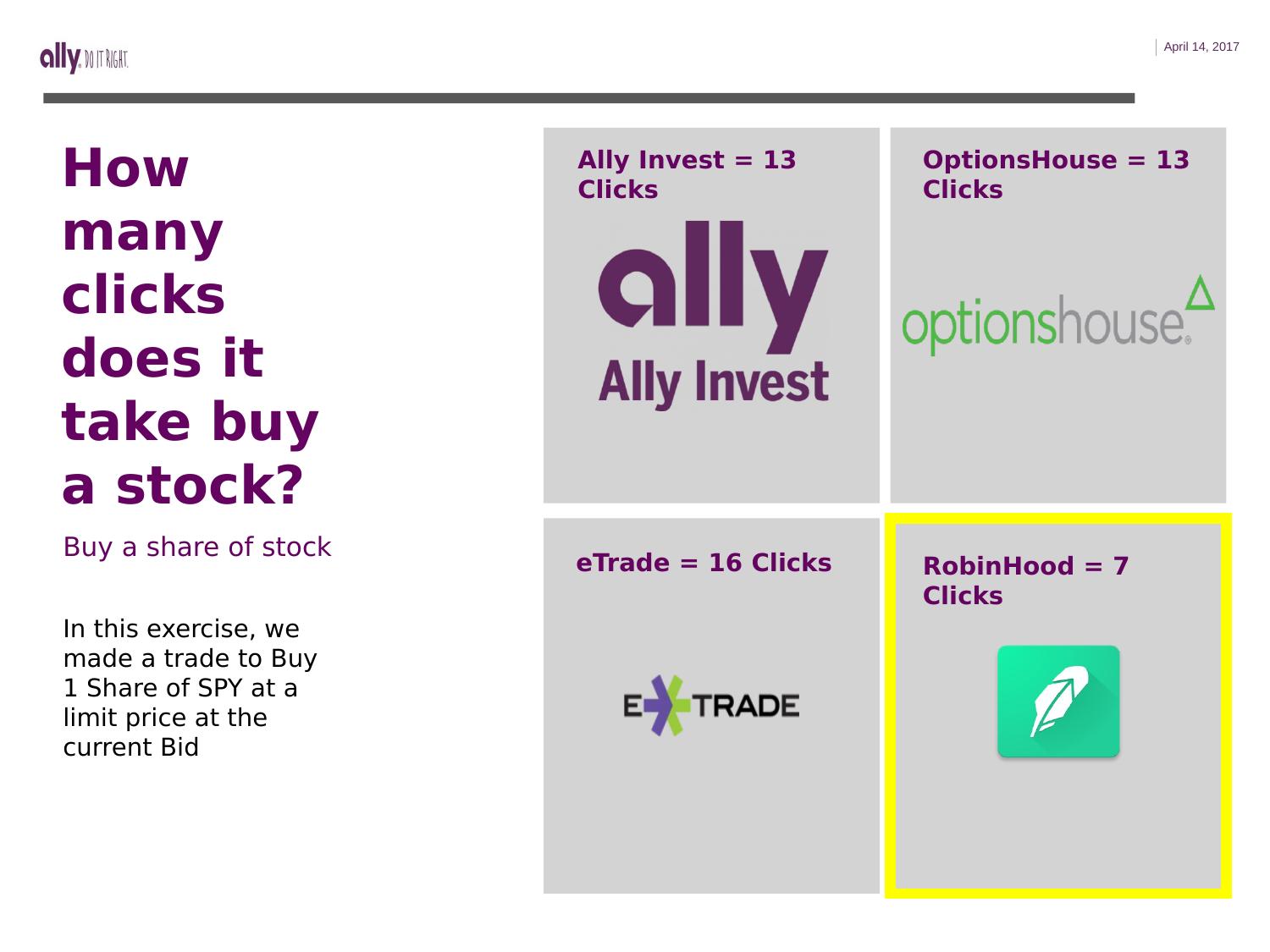
In the spring of 2017 I sat down with four brokerage apps and bought one share of SPY in each of them. Same trade, same limit price, every tap counted by hand. Robinhood did it in 7. OptionsHouse took 13. E‑Trade, 16. And our own app — Ally Invest, the one I was product manager for — took 13 clicks to do the single thing a brokerage app exists to do.
I put the tally on a slide and took it to the business. I didn’t have to add much. A trading company whose app took nearly twice as many clicks as Robinhood to place a trade — the slide made the argument for me.
A broker’s app wakes up inside a bank
Some context. Ally announced it was buying TradeKing in April 2016 — $275 million — closed the deal that June, and relaunched the whole offering as Ally Invest in May 2017. So the scrappy trader’s app I’d been working on woke up one morning inside a Fortune 500 bank — new brand, new compliance regime, new security standards. And we weren’t alone: three months after the Ally deal, E‑Trade bought OptionsHouse for $725 million, and a few years on Morgan Stanley would buy E‑Trade itself for $13 billion. Every app in my click study except Robinhood was getting swallowed by something bigger. The whole industry had figured out what the tally said: the fight was moving to the phone, and the phone experiences weren’t good enough.
I was the product manager for Ally Invest mobile. I was also the only person on the immediate team who placed trades with my own money, which made me the de facto subject-matter expert. The trading screens got specified by someone who actually traded; our designer turned those specs into pixels. That division of labor mattered for everything that follows.
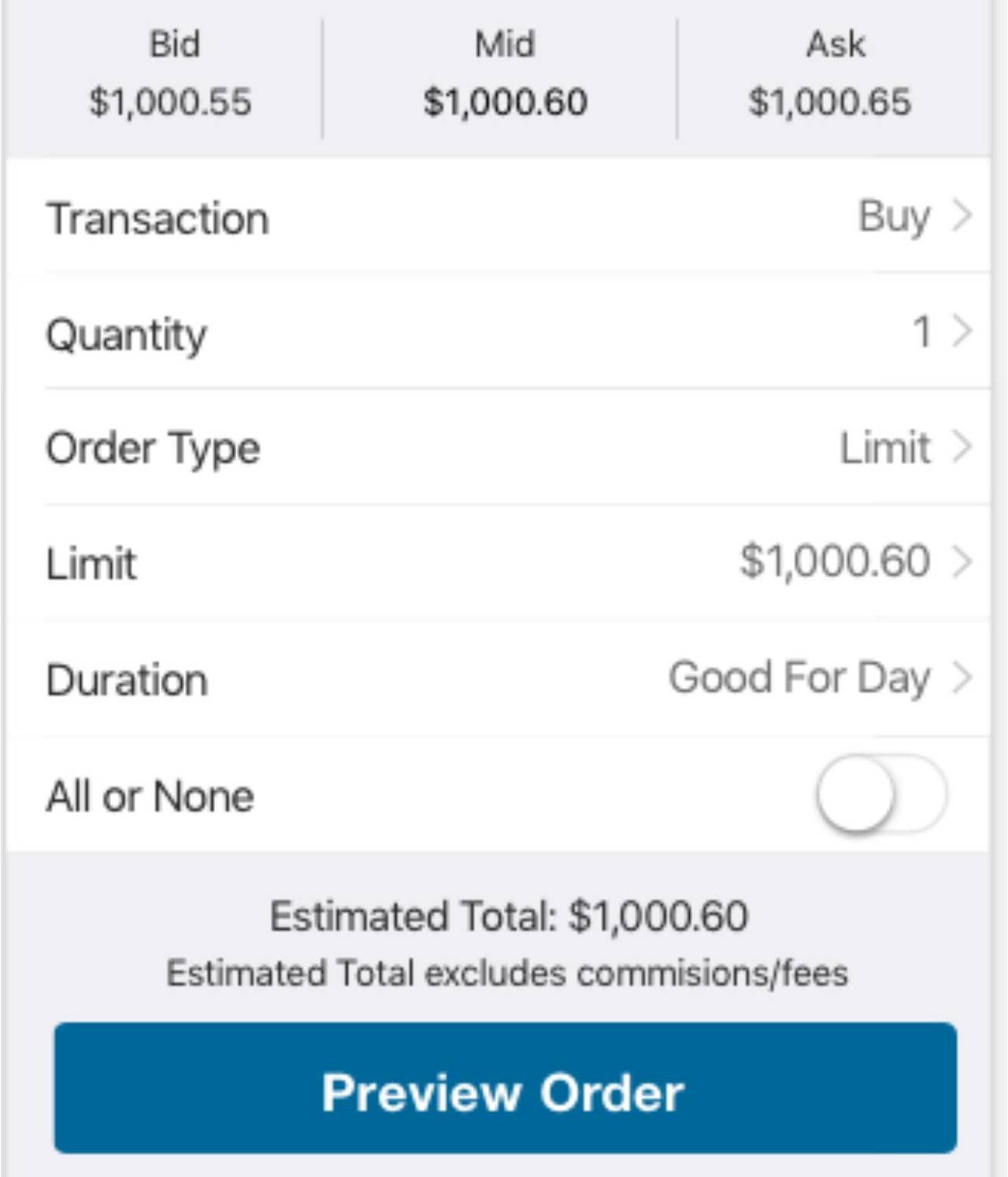
The redesign wasn’t a re-skin. It was an argument about what deserved to be on the screen. We cut every field that wasn’t critical to the order. We moved the account to the top, put bid, mid and ask on one line where a trader’s eye expects them, and rebuilt search to behave like the native iOS stock app instead of a web dropdown. And we defaulted everything the data let us default: order type to limit, price to the mid, quantity to 1.
Does a default count as advice?
That last default was the fight. Compliance asked a fair question: if the app pre-fills the quantity field with 1, is Ally recommending that you buy? The safe answer was to leave the field blank and let every customer type a number, every time, forever. I pushed to set it — and I told the room that if it went south, the blame was mine to carry.
What actually carried the day wasn’t my bravado. It was the Preview Order screen: nothing executes until the customer reviews the complete order and confirms it, so a pre-filled field could never place a trade on its own. That backstop satisfied the concern. And the default turned out to be right for customers, not just for click counts. This was the Robinhood era — people were buying single shares of things all the time — and a blank quantity field meant the most common trade in the app began with an error message.
The wall that didn’t move
Not everything bent. TradeKing’s app never logged you out. The bank’s did, on a security timeout — and traders are exactly the customers who check the market a dozen times a day and hate signing in a dozen times a day. I owned maybe 20 percent of that problem; the rest belonged to bank security standards that exist for good reasons. We raised it, we proposed user-selectable timeouts, and the wall outlasted me. I include it because it’s true, and because every product manager is carrying at least one of these — if someone tells you they moved every wall, count your change.
Counting again
The redesigned trade ticket shipped in December 2017 — built in 74 days by the new mobile team I’d spent that fall hiring, a story with its own page. When it did, I re-ran my own exercise — same one share of SPY, same limit order, my own thumb doing the counting: 5 clicks. Quantity already read 1. Price already sat at the mid. The screen asked the customer for exactly the decisions that were actually theirs to make, and nothing else.
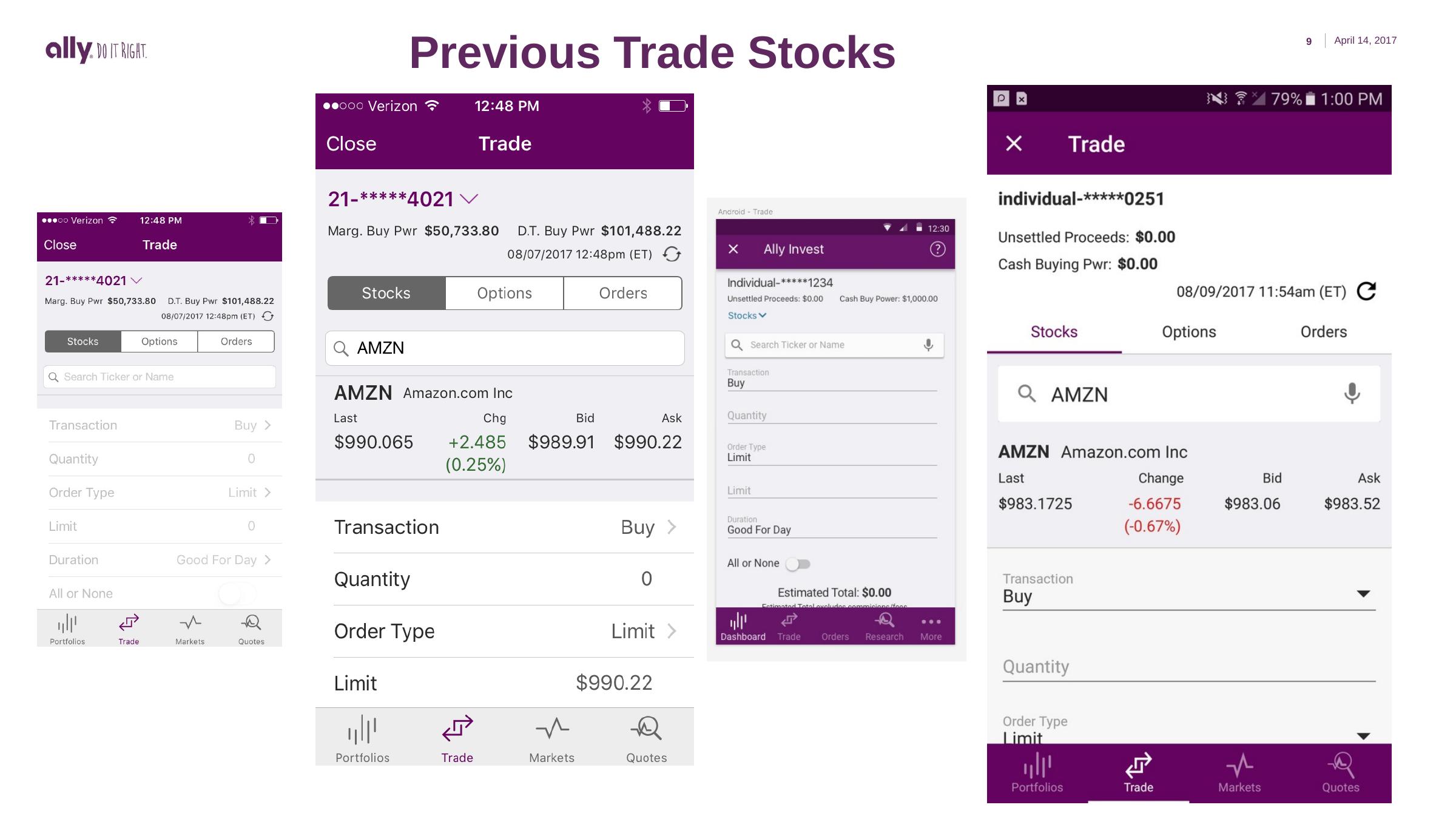
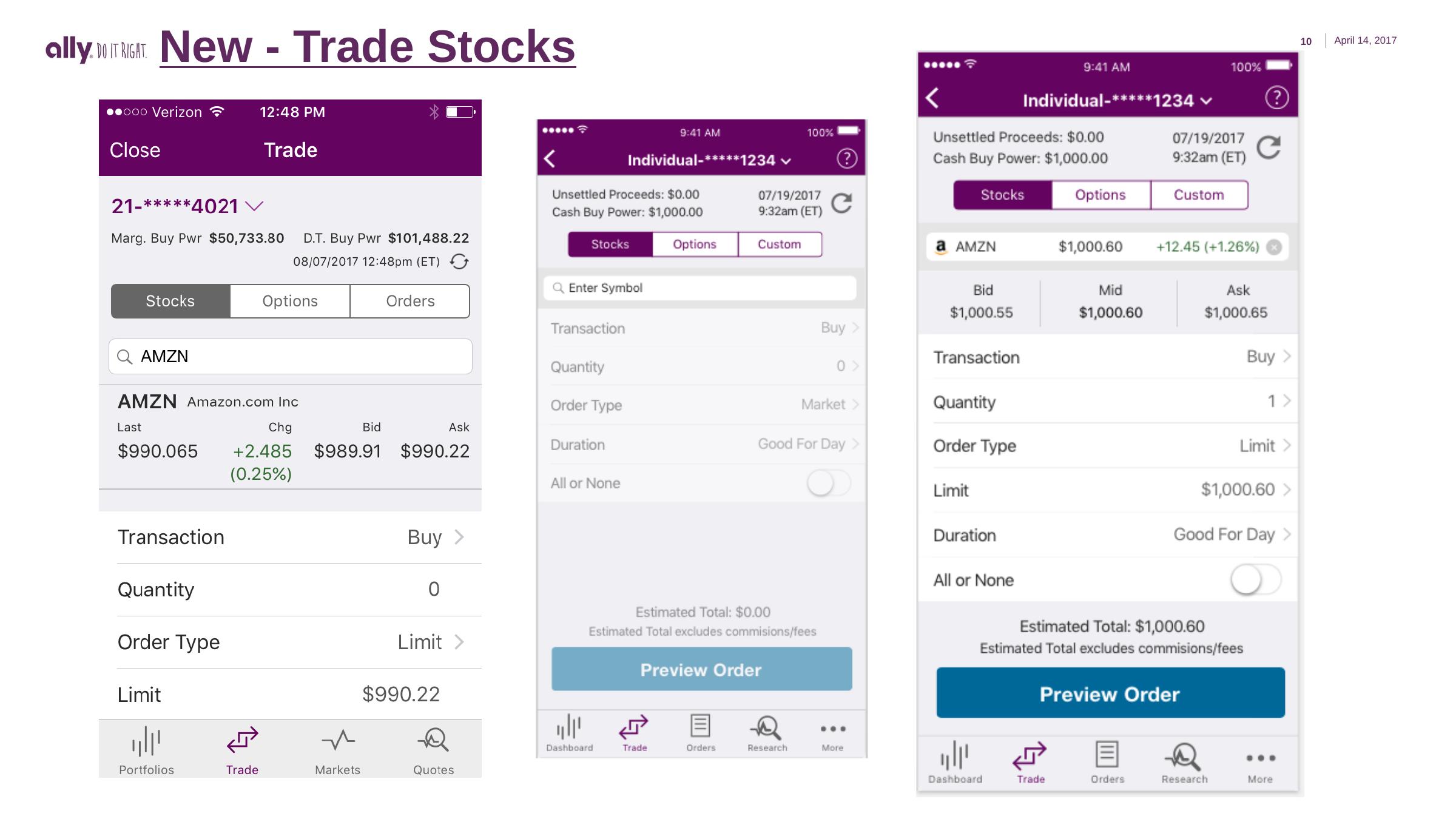
Other things moved too. The new Research tab found an audience its predecessor never had — the old Markets tab was being touched by 7% of users when our analytics last looked. Stock “checkout” — started trades that actually got placed — rose from 77% to 91%, and the app broke its own trading record, daily trades climbing 28%, from 4,893 to over 6,251. When I first wrote this page I said those numbers were lost and I wouldn’t invent them; it turned out my résumé had kept them all along. The number I trust most is still the one I counted myself — twice.